Where sustainability becomes something you do.
Eco-Hub Rostock
A community space for swapping, repairing, upcycling, learning and connecting — giving things a second life and bringing people together.
A Community Space for Sustainable Living
The Eco-Hub Rostock is a small, flexible, physical community space designed to bring people together around sustainability, creativity, and local action. It combines swap areas, a repair corner, an upcycling workshop space, community events, educational workshops, and presentation areas for local sustainable businesses, organizations, and initiatives.
The vision is to create an open and welcoming place where people can exchange ideas, learn practical skills, reduce waste, and actively shape a more sustainable future together.
Rostock will be the very first Eco-Hub location, with the long-term goal of expanding the concept into many more cities across Germany and building a nationwide network of local Eco-Hubs.
How the Eco-Hub Supports Climate Protection
The Eco-Hub actively promotes waste reduction, resource conservation, and sustainable everyday habits through reuse, repair, and upcycling.
Planned and already tested activities include:
-Clothing swap events
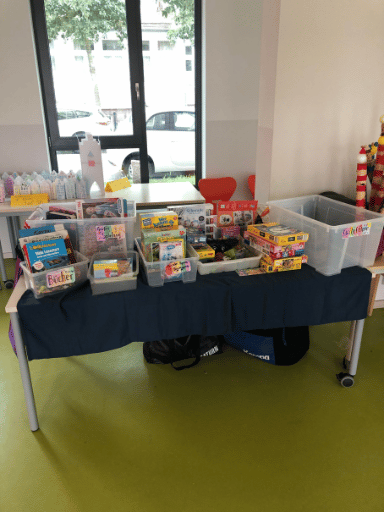
-Toy swap events
-Seasonal swap markets
-Exchange areas for small household items
-Repair workshops
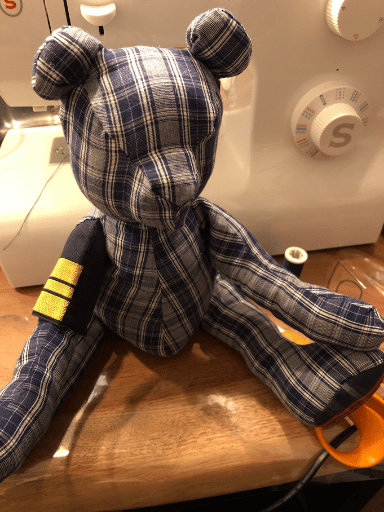
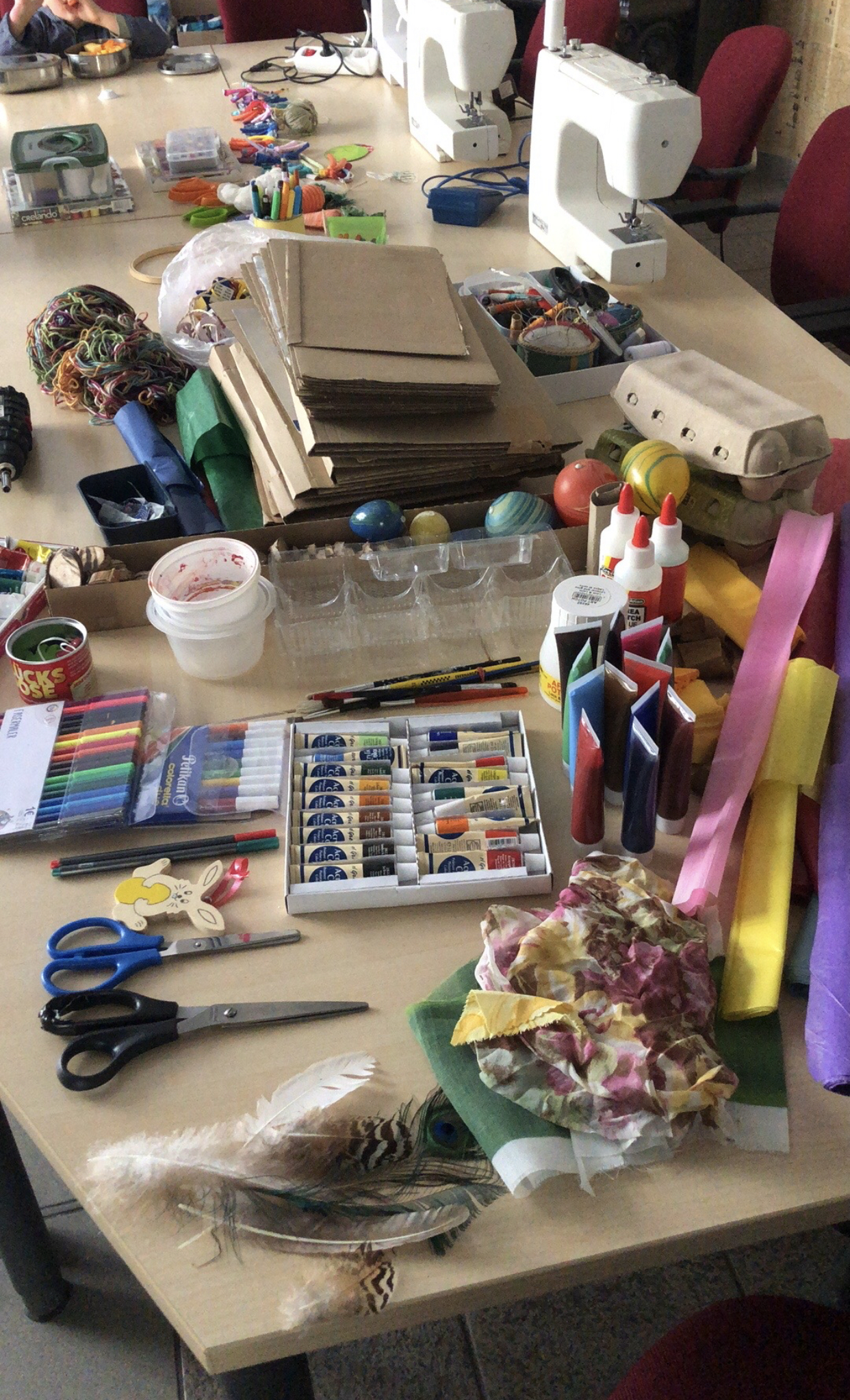
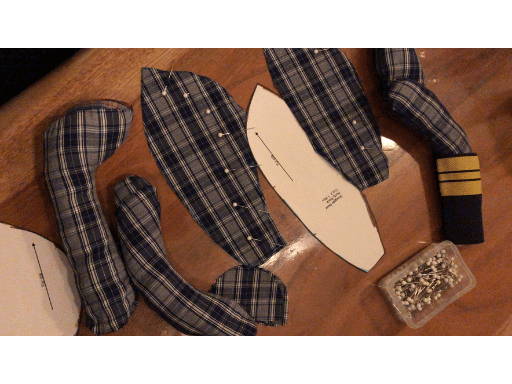
-Upcycling workshops
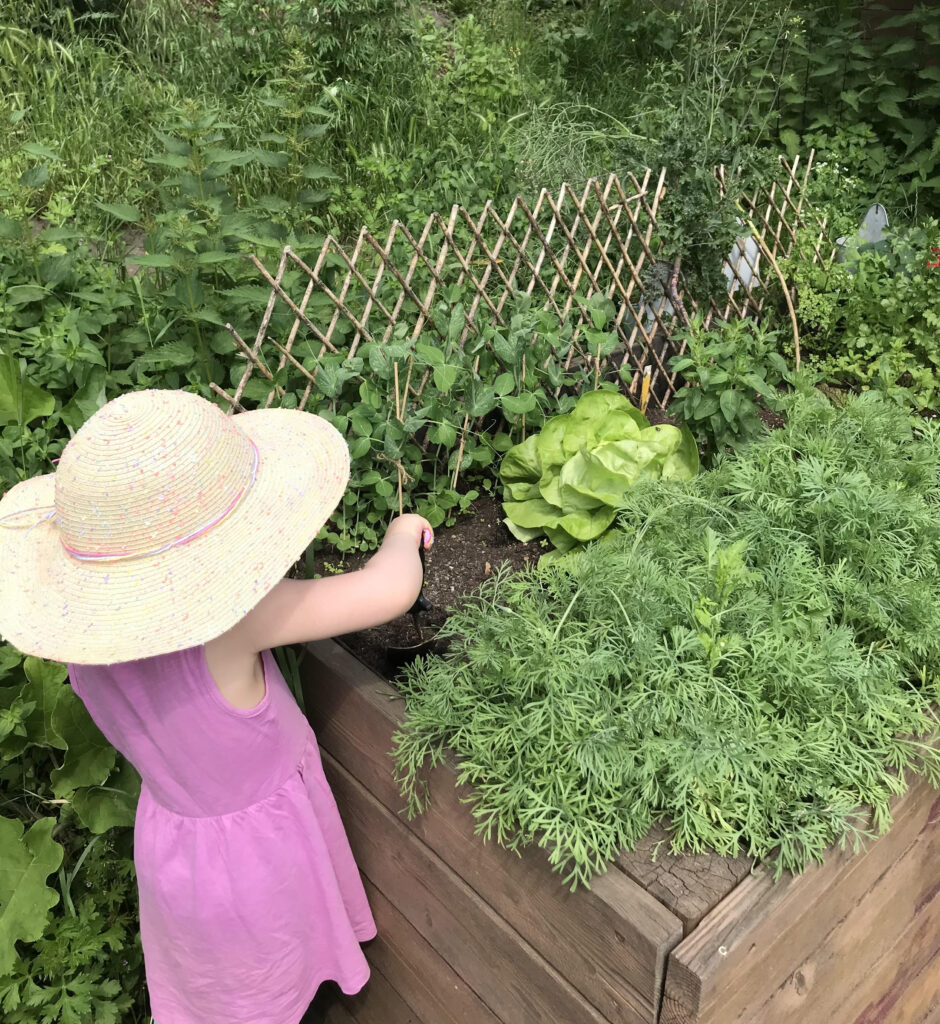
-Community clean-up actions
-Sustainability education formats
By extending the life cycle of products and materials, the Eco-Hub helps reduce unnecessary consumption and CO₂ emissions. For example, reusing just 1 kg of clothing can save approximately 10–15 kg of CO₂ emissions and up to 10,000 liters of water.
Repair activities help reduce electronic waste, while upcycling encourages creative reuse of materials that would otherwise be discarded. Educational workshops and clean-up initiatives additionally strengthen environmental awareness and community engagement.
Building the First Eco-Hub
The start-up funding is needed to establish the first physical Eco-Hub location in Rostock and create a simple but functional setup.
The project is intentionally designed as a no- to low-budget initiative with a strong focus on sustainability. Wherever possible, secondhand furniture and reused materials will be used.
Funding will support:
-Rental of a suitable community space
-Basic interior setup and furnishing
-Shelves and Eco-Swap boxes
-Tools and materials for repair and upcycling activities
-Purchase of 1–2 sewing machines for workshops
-Public outreach and awareness campaigns
-Organization of workshops and clean-up events
-Small compensation and honorariums for volunteers and workshop facilitators