


Good Energy, Fair Prices: How Fairster Is Rethinking Green Electricity
Sustainable living often starts with everyday choices – and one of them is the electricity we use. But how do we recognise a genuinely sustainable energy provider? And does renewable electricity have to be expensive? Fairster is taking a different approach, combining renewable energy, transparent pricing and a non-profit business model.
When we think about sustainability, we often think of reducing plastic waste, repairing and reusing items, sharing resources, or avoiding food waste. But our everyday energy consumption also plays an important role. We use electricity at home, at work and in our community spaces every single day.
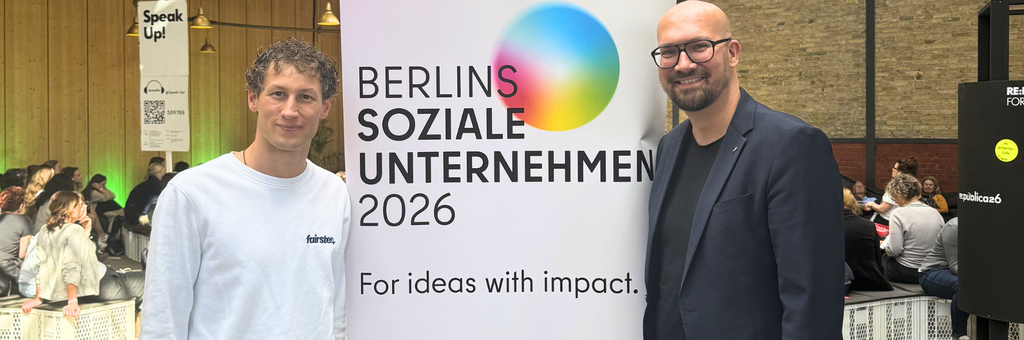
Choosing a renewable electricity provider can be one way to make our everyday lives more sustainable. One company approaching this differently is Fairster, a German electricity provider that wants to make green energy fairer, more transparent and accessible.
Electricity with a non-profit approach
Fairster describes itself as Germany’s first electricity provider operating under a non-profit model. The company is organised as a charitable limited liability company (gemeinnützige GmbH or gGmbH).
Rather than focusing on maximising profits, its stated priorities are consumer protection, fair prices and transparent energy supply.
The underlying idea is simple: clean energy should not be a luxury. Fairster aims to supply electricity at cost price, without the traditional profit-driven business model.
Its electricity prices are made up of several clearly defined components:
- Electricity purchasing costs: The price paid for the electricity sourced from renewable energy producers.
- Structuring budget: A financial buffer to help manage fluctuations in electricity generation, demand and related costs.
- Taxes, levies and grid charges: Legally regulated costs associated with electricity supply and distribution.
- Fairster’s service and administration fee: 5% of the combined electricity purchasing and structuring costs, plus a fixed monthly service fee of €4.99 per meter, including VAT.
Fairster aims to make these costs understandable rather than hiding additional margins in complicated pricing structures.
An especially interesting part of its model is the Fairster FairShare. If a surplus remains after the end-of-year accounting period, eligible customers on the Fairster Original tariff receive a corresponding annual credit. The amount depends on the actual surplus and individual electricity consumption. It is not guaranteed, but the intention is to return any remaining surplus rather than retain it as company profit.
Double the environmental benefit: Giving existing wind farms a second life
One of Fairster’s most interesting approaches is what the company calls being “doubly ecological”.
It works directly with operators of wind and solar installations in Germany, including older wind farms that might otherwise be taken out of operation.
Many wind turbines reach the end of their original subsidy period after approximately 20 years. However, this does not necessarily mean they have stopped working or can no longer produce electricity. In some cases, the installations are still technically functional but become less economically attractive once government support expires.
Fairster wants to give these installations another opportunity by purchasing their renewable electricity and helping keep existing infrastructure in use.
This is an interesting perspective on sustainability: sometimes the solution is not to build something new, but to make better use of what we already have.
Extending the useful life of existing infrastructure can help avoid unnecessary dismantling and make continued use of resources possible.
For us, this is a particularly relevant approach because sustainability is not only about what we produce, but also about how responsibly we use existing resources.
Where does the electricity come from?
Simply choosing a tariff labelled “green electricity” does not always tell us everything about the actual energy supply.
Fairster states that it purchases electricity directly from renewable energy producers in Germany, including regional wind and solar installations. The renewable origin of the supplied electricity is documented through officially recognised Guarantees of Origin (Herkunftsnachweise).
It is also worth understanding how electricity supply works in practice.
Electricity from different sources enters the shared German power grid. When we switch on a light, we physically draw electricity from this interconnected grid rather than receiving electricity from one particular wind turbine.
Fairster explains that its partner installations collectively feed more renewable electricity into the grid over the course of the year than its customers consume. During periods when wind and solar production are lower, electricity is drawn from the wider electricity market. Guarantees of Origin are used to account for the renewable origin of the electricity supplied.
This distinction is important when evaluating green electricity providers: it is worth asking where the energy comes from, how its renewable origin is documented and whether the provider works directly with renewable energy producers.
Transparency instead of complicated pricing promises
Consumer protection is another central part of Fairster’s approach.
The company was founded by Tobias Hirt, who has spent several years working in consumer protection and addressing problems within the energy market.
His experience helped inspire the idea of creating an electricity provider with more transparent prices and understandable contract conditions.
Fairster also aims to make the electricity market easier to understand through its own price index and information about electricity pricing.
Instead of relying on temporary discounts or new-customer bonuses, the company focuses on what it describes as fairly calculated prices from the beginning.
Two different electricity tariffs
Fairster currently offers two main tariff models:
Fairster Original – stable and predictable
- A fixed electricity consumption price for the relevant contract period.
- Greater predictability when planning household electricity costs.
- A structuring budget to help absorb certain cost fluctuations.
- The possibility of receiving a FairShare annual credit if a surplus remains.
- A price guarantee for the calendar year, subject to legally mandated changes to taxes and levies.
Fairster Flex – dynamic and flexible
- The electricity consumption price follows the electricity exchange market price.
- Prices can change every 15 minutes.
- There may be opportunities to benefit from lower electricity prices when supply is high.
- However, prices can also increase significantly, creating additional costs.
- An intelligent metering system (Smart Meter) is required.
- The tariff has a minimum term of one month and can then be cancelled monthly.
- There is no entitlement to a FairShare annual credit.
A dynamic tariff can be particularly interesting for households that can shift electricity consumption to periods when prices are lower, for example by using certain appliances or charging an electric vehicle at more favourable times.
However, it is not automatically the cheapest option for everyone. Electricity market prices can fluctuate considerably, and additional Smart Meter costs should also be considered.
Fairster provides information about these differences so customers can decide which tariff better suits their circumstances.
Sustainable energy for businesses, organisations and communities
Sustainability does not stop at our own front door. Businesses, associations, non-profit organisations and community initiatives also have an opportunity to make their energy supply more environmentally responsible.
Fairster therefore offers electricity not only to private households but also to start-ups, small and medium-sized businesses and larger companies.
For organisations that want to improve their sustainability practices and understand their environmental impact, reviewing their electricity consumption and energy provider can be a useful starting point.
This is particularly relevant for initiatives and organisations that want their everyday operations to reflect their environmental and social values.
How does switching work?
According to Fairster, switching electricity providers is straightforward and can be completed in just a few steps:
1. Calculate your tariff
Enter your address and estimated annual electricity consumption to see which tariff is available for you.
2. Fairster takes care of the switch
In most cases, Fairster handles the cancellation of your existing electricity contract and coordinates the change of provider. There are exceptions, for example when a very short cancellation deadline makes it advisable to cancel the old contract yourself.
3. Your new electricity supply begins
Your supply starts on the agreed date. According to Fairster, the switching process generally takes around two to four weeks, depending on the remaining term of your existing contract.
Fairster states that it supplies electricity throughout Germany, although exceptions may apply in some border regions.
If you are considering switching, it is always worth comparing the current prices, contract conditions and tariff details for your own address.
Our thoughts: Sustainability also starts with the energy we use
We find it particularly interesting that Fairster approaches electricity supply from a perspective that goes beyond conventional profit-driven business models.
Fair pricing, transparent costs, consumer protection and the continued use of existing renewable energy installations are all aspects of a more responsible approach to business.
Of course, it is always important to look closely at the details and compare different providers. A non-profit business model does not automatically mean that every tariff is the cheapest option for every household.
Nevertheless, Fairster presents an interesting alternative and raises an important question:
What could our energy system look like if people, the environment and responsible resource use were at the centre of the business model rather than profit maximisation?
At Eco-Lovers, we enjoy discovering and sharing initiatives and businesses that explore new ways of making sustainable living more accessible in everyday life.
Because sustainability is not just about making individual changes. It is also about supporting ideas, organisations and business models that help create a more resource-conscious and fairer future.
Further Information & Sources
Would you like to learn more about Fairster, its approach to renewable energy and its electricity tariffs? Explore the following resources directly on the company’s website:
- Fairster – Official Website – Learn more about the company, its mission, values and non-profit approach to energy supply.
- Frequently Asked Questions – Find answers about renewable electricity, energy sources, pricing, transparency, the FairShare model and switching providers.
- Fairster Tariff Calculator – Calculate your individual electricity tariff based on your location and annual energy consumption.
- Wind Farms & Renewable Energy Producers – Find out more about Fairster’s approach to working with wind farm operators and keeping existing installations in operation.
- Fairster’s Price Transparency – Learn more about the individual components of electricity prices and the FairShare model.
Source note: This article is based primarily on information published by Fairster on its official website. Company descriptions and statements about its business model, electricity sourcing and tariffs reflect the information provided by Fairster. Tariffs, prices and contract conditions may change. Please consult the original sources for the latest details.




Wir freuen uns dabei zu sein!!!